
Nasal intubation, a clear oral field.
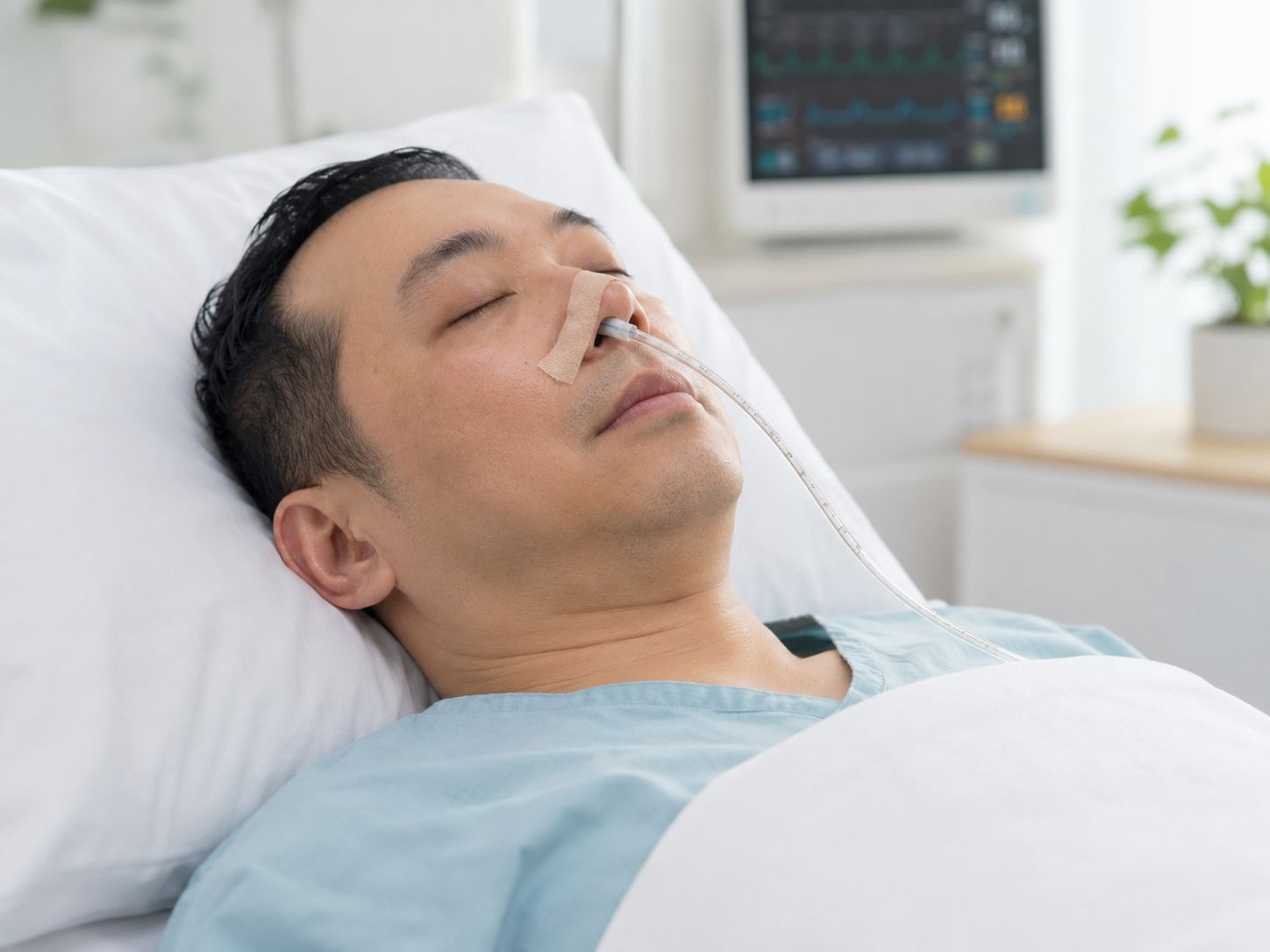
When dental general anesthesia needs the mouth completely free, nasal intubation routes the breathing tube through the nose, securing your airway while giving your dentist or oral surgeon full, unobstructed access. Performed in your dental office by a dental anesthesiologist with advanced airway training.
Advanced Airway
Nasotracheal intubation in-office
Hospital-Grade
Continuous airway monitoring
Mobile Service
Familiar dental office, not a hospital
What It Is
What is nasal intubation?
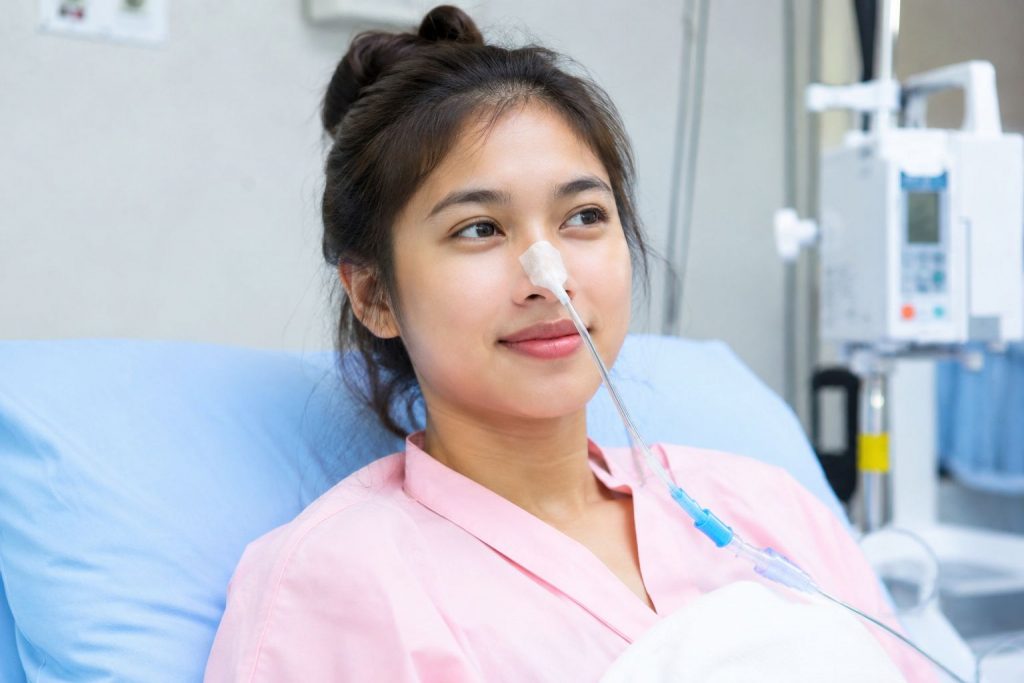
Nasal intubation, also called nasotracheal intubation, is an airway technique used during general anesthesia in which the breathing tube passes gently through the nose and into the windpipe, rather than through the mouth. Because the tube stays out of the way, the entire mouth is left open and unobstructed, which is exactly why nasal intubation is so valuable for dentistry and oral surgery. It’s placed only after you are fully asleep, by a dental anesthesiologist who manages and monitors your airway throughout.
- The breathing tube enters through the nose, not the mouth
- The mouth stays completely clear for treatment and surgery
- Your airway is secured, protected, and monitored throughout
- Placed after you're asleep by a dental anesthesiologist
Why nasal intubation for dental cases?
Both routes secure the airway. The difference is access, and in the mouth, access changes everything.
Nasal intubation (nasotracheal)
- Ideal for full-mouth rehabilitation
- Preferred for oral & maxillofacial surgery
- Best when the whole mouth must stay clear
Oral intubation (orotracheal)
- Common for shorter, simpler cases
- Used when full oral access isn't required
- Tube shares space with the treatment area
We choose the approach that gives your dentist the clearest field and you the safest, best-protected airway, and we walk you through the recommendation before anything begins.
A careful, airway-first process
From the first call to a confirmed recovery, every step centers on a safe, well-planned airway.
Consultation
Your dentist or oral surgeon contacts us to review the case, the treatment plan, and full patient history.
Airway & Pre-Op Review
We evaluate your health and nasal passages and build a personalized anesthesia and airway plan.
Day of Procedure
After you're asleep, the nasal tube is placed gently and your airway is monitored continuously throughout.
Recovery & Follow-Up
You're monitored until fully recovered and discharged to your escort with clear post-op guidance.
A secure airway, watched every second
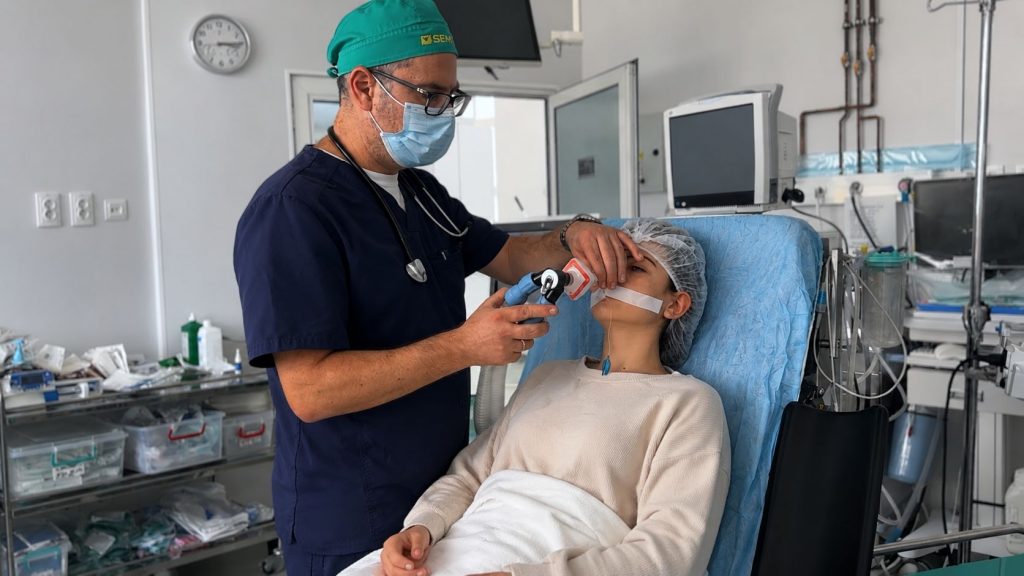
Nasal intubation is a well-established airway technique, and it's safest in trained hands with the right equipment and a careful pre-op assessment. We bring all of it to the dental chair, the same standard you'd expect in a hospital operating room.
- Continuous EKG, pulse oximetry, capnography, and BP monitoring
- Full emergency airway and resuscitation equipment on-site
- Careful nasal-passage assessment to plan the gentlest approach
- Post-op monitoring until full recovery is confirmed
MOBILE & LOCAL
Pediatric dental sedation near you
Looking for pediatric dental sedation near me, or for centers for pediatric dental sedation? You don't have to travel to one. Tru Anesthesia is mobile, so our dental anesthesiologist brings the sedation center to your child's own dental office across the Greater Kansas City Area, a familiar place instead of a hospital.
- Kansas City
- Overland Park
- Olathe
- Lee’s Summit
- Independence
- Lenexa
- Shawnee
- Blue Springs
- Leawood
- Prairie Village
- Raymore
- Liberty
- Gladstone
FAQ
Nasal intubation, answered
The questions patients, parents, and referring dentists ask us most.
What is nasal intubation?
Why is nasal intubation used for dental procedures?
Is nasal intubation safe?
Does nasal intubation hurt, and will I be sore afterward?
What’s the difference between nasal and oral intubation?
Who performs the nasal intubation?
Ready to make dentistry comfortable again?
Whether you’re a patient looking for stress-free care or a dental practice ready to expand your services we’d love to talk.